
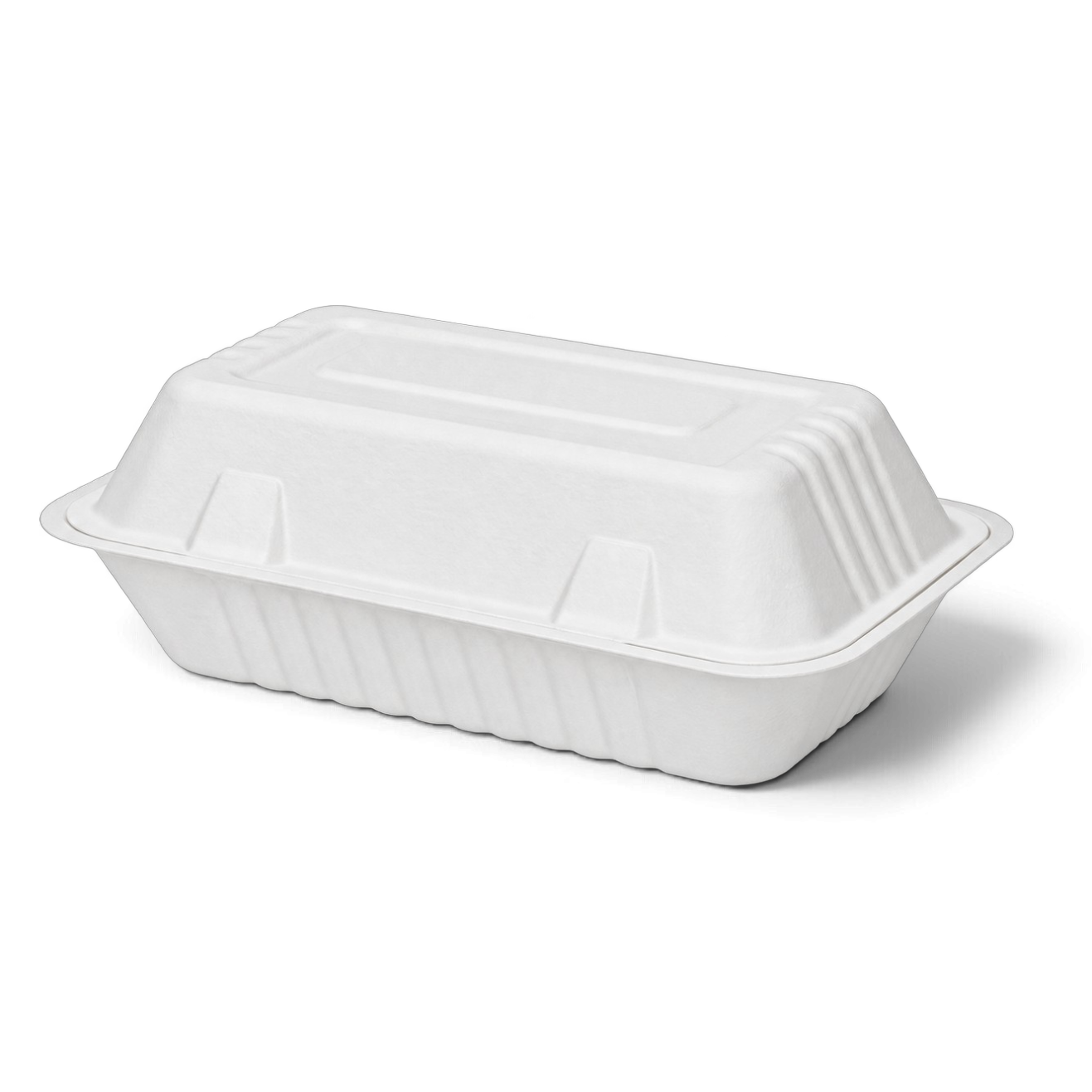
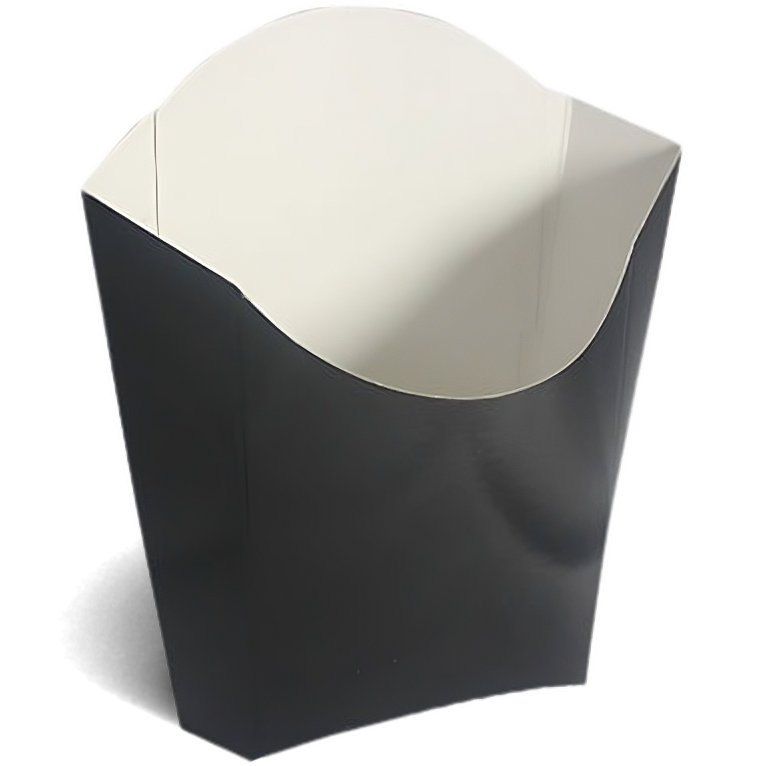
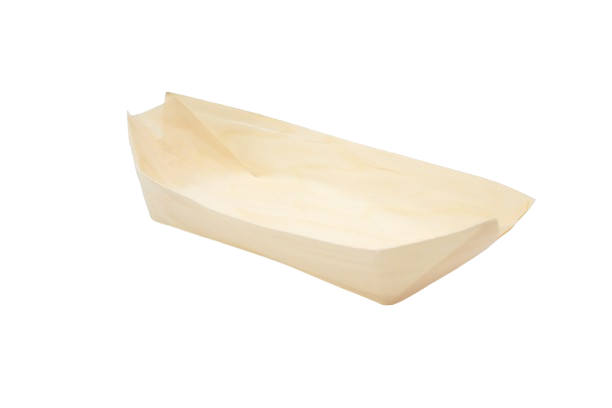
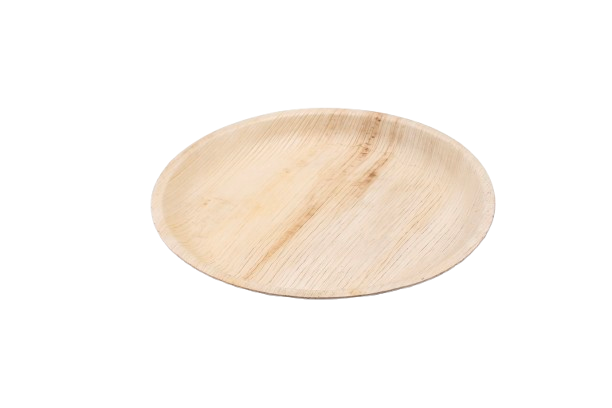
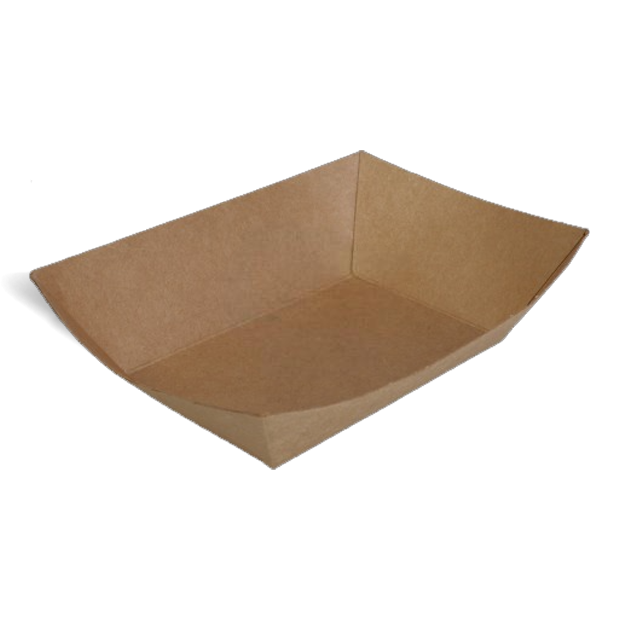



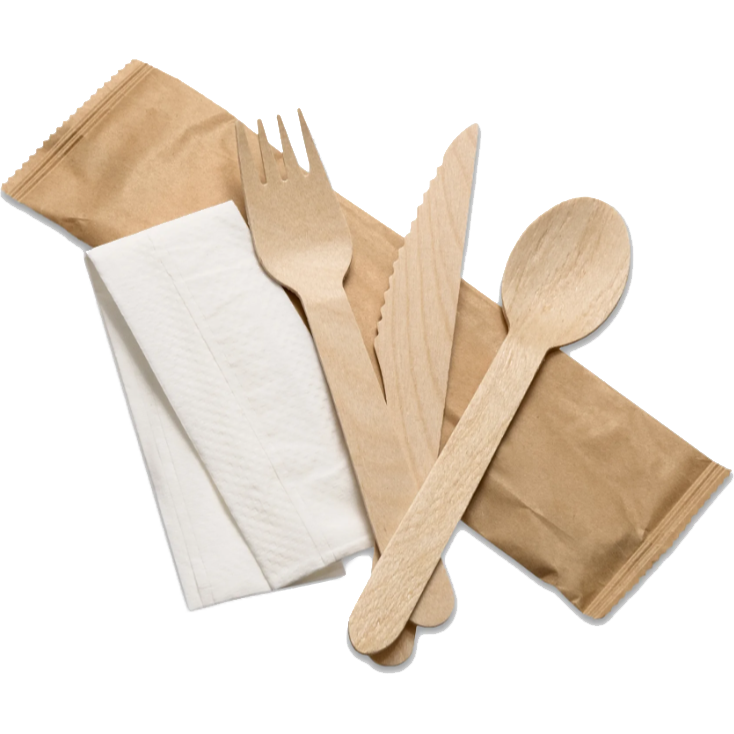

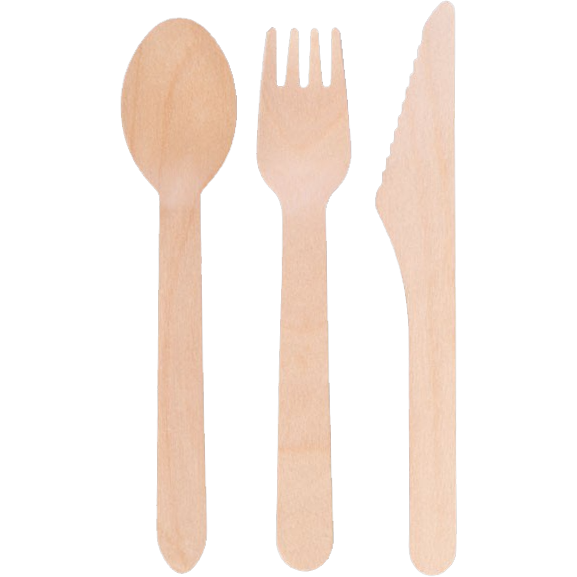
There can be much confusion about what eco properties mean and how they affect the life cycle of products after use. We have added eco properties to each of our products, so you know how they can be disposed of.
Below is what we mean by terms used on our website. While we make every effort to make our eco properties accurate, we are a wholesale distributor and rely on the information provided by our manufacturers, and errors can occur.
Recyclable

Recyclable means that the material of this product is able to be recycled in the UK. In the case of some products, (for example, PE lined paper cups) for the material to be recycled the user may need to segregate, clean, or dispose of in a specialist waste stream to ensure it is recycled in reality.
Compostable

Compostable means that this product is capable of breaking down into natural, non-toxic components that can enrich the soil when disposed of in composting conditions. In the catering industry, compostable items include products such as cutlery, plates, cups, and packaging made from materials like cornstarch, bagasse, or PLA (polylactic acid). These items are designed to minimize environmental impact by decomposing fully in composting environments. However, to ensure proper composting, users may need to dispose of these items in industrial composting facilities or specific organic waste streams. Proper disposal ensures that compostable products return valuable nutrients to the soil, promoting sustainable waste management.
Biodegradable

Biodegradable means that this product is capable of breaking down naturally into non-toxic components by the action of living organisms, such as bacteria and fungi. In the catering industry, biodegradable items include products like cutlery, plates, cups, and packaging made from materials such as cornstarch, bagasse, or PLA (polylactic acid). These items are designed to reduce environmental impact by decomposing more quickly than traditional plastics. However, to ensure they biodegrade effectively, users may need to dispose of them in industrial composting facilities or specific organic waste streams. Proper disposal ensures that biodegradable products contribute to a more sustainable waste management system.
Microwave Safe
Microwave safe means that this product can be safely used in a microwave oven without causing damage to the product or the appliance. In the catering industry, microwave-safe items include containers, plates, bowls, and packaging made from materials like certain plastics, glass, or ceramics that can withstand microwave heating. These items are designed for convenience, allowing users to heat food quickly and efficiently. However, to ensure safety, users should follow any specific guidelines provided with the product, such as avoiding the use of lids that may trap steam or checking for any labels indicating microwave compatibility. Proper use ensures that microwave-safe products perform effectively without compromising safety.
Plastic-Free
Plastic-free means that this product is made entirely without the use of plastic materials. In the catering industry, plastic-free items include products such as cutlery, plates, cups, and packaging made from alternative materials like wood, bamboo, paper, or stainless steel. These items are designed to reduce environmental impact by eliminating plastic waste, which is often non-biodegradable and harmful to ecosystems. However, to ensure they serve their purpose effectively, users may need to follow specific care or disposal instructions, such as composting biodegradable options or recycling appropriate materials. Proper use and disposal ensure that plastic-free products contribute to a more sustainable and eco-friendly environment
Oven Safe

Oven safe means that this product can be safely used in an oven without melting, warping, or releasing harmful chemicals. In the catering industry, oven-safe items include products such as bakeware, cookware, and certain types of containers made from materials like glass, metal, silicone, or specific ceramics. These items are designed to withstand high temperatures, making them ideal for baking, roasting, and reheating food. However, to ensure safety and maintain product integrity, users should follow any specific guidelines provided with the product, such as temperature limits and avoiding sudden temperature changes. Proper use ensures that oven-safe products perform effectively and safely during cooking.
Freezer Safe

Freezer safe means that this product can be safely used in a freezer without cracking, warping, or becoming brittle. In the catering industry, freezer-safe items include products such as storage containers, bags, and packaging made from materials like certain plastics, glass, and silicone. These items are designed to withstand low temperatures, making them ideal for storing food over extended periods. However, to ensure safety and maintain product quality, users should follow any specific guidelines provided with the product, such as avoiding overfilling containers and allowing for the expansion of liquids. Proper use ensures that freezer-safe products perform effectively without compromising food safety or quality.
Plant-Based

Plant-based means that this product is made entirely from materials derived from plants. In the catering industry, plant-based items include products such as cutlery, plates, cups, and packaging made from materials like cornstarch, bagasse, bamboo, or PLA (polylactic acid). These items are designed to reduce reliance on fossil fuels and minimize environmental impact by using renewable, sustainable resources. However, to ensure they are disposed of correctly, users may need to follow specific guidelines, such as composting biodegradable options or recycling suitable materials. Proper use and disposal ensure that plant-based products contribute to a more sustainable and eco-friendly environment.
Greaseproof
Greaseproof means this product resists the absorption of oils and fats, making it ideal for holding greasy foods without becoming saturated or breaking down. Commonly used in baking, cooking, and food packaging, greaseproof items include paper, liners, and wraps that keep food fresh and hands clean.