


Uni Cater packaging guide
Best Takeaway Boxes for Different Foods: UK Guide

The right takeaway box protects more than the food. It helps a meal arrive at the correct temperature, reduces leaks and condensation, keeps portions presentable and makes service easier for your team. The wrong box can leave chips soft, curry leaking into a delivery bag or a burger crushed before it reaches the customer.
This practical guide is written for UK takeaways, restaurants, cafés, bakeries, caterers and street-food businesses. It explains which takeaway containers work best for common menu items and what to check before ordering wholesale quantities.
Quick answer
Use leak-resistant containers with secure lids for curries, sauces and oily foods; ventilated paperboard boxes for chips and fried food; structured clamshells for burgers; clear-lid bowls for salads and desserts; and corrugated boxes for pizza. Always test the exact container with your food, portion size and delivery time before buying several cases.
Which takeaway box should you use?
Food Good starting choice Feature to prioritise
------------------------- -------------------------------------------------- -------------------------------------
Curry and saucy meals PP container or foil container with a secure lid Leak resistance
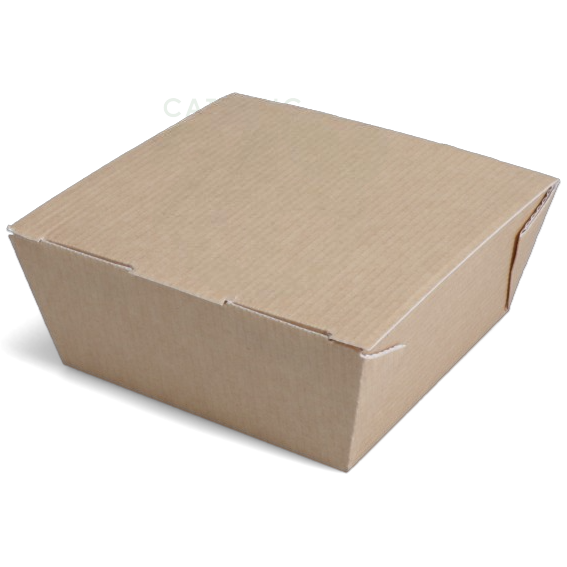
Burgers Kraft paperboard or bagasse clamshell Correct height and ventilation
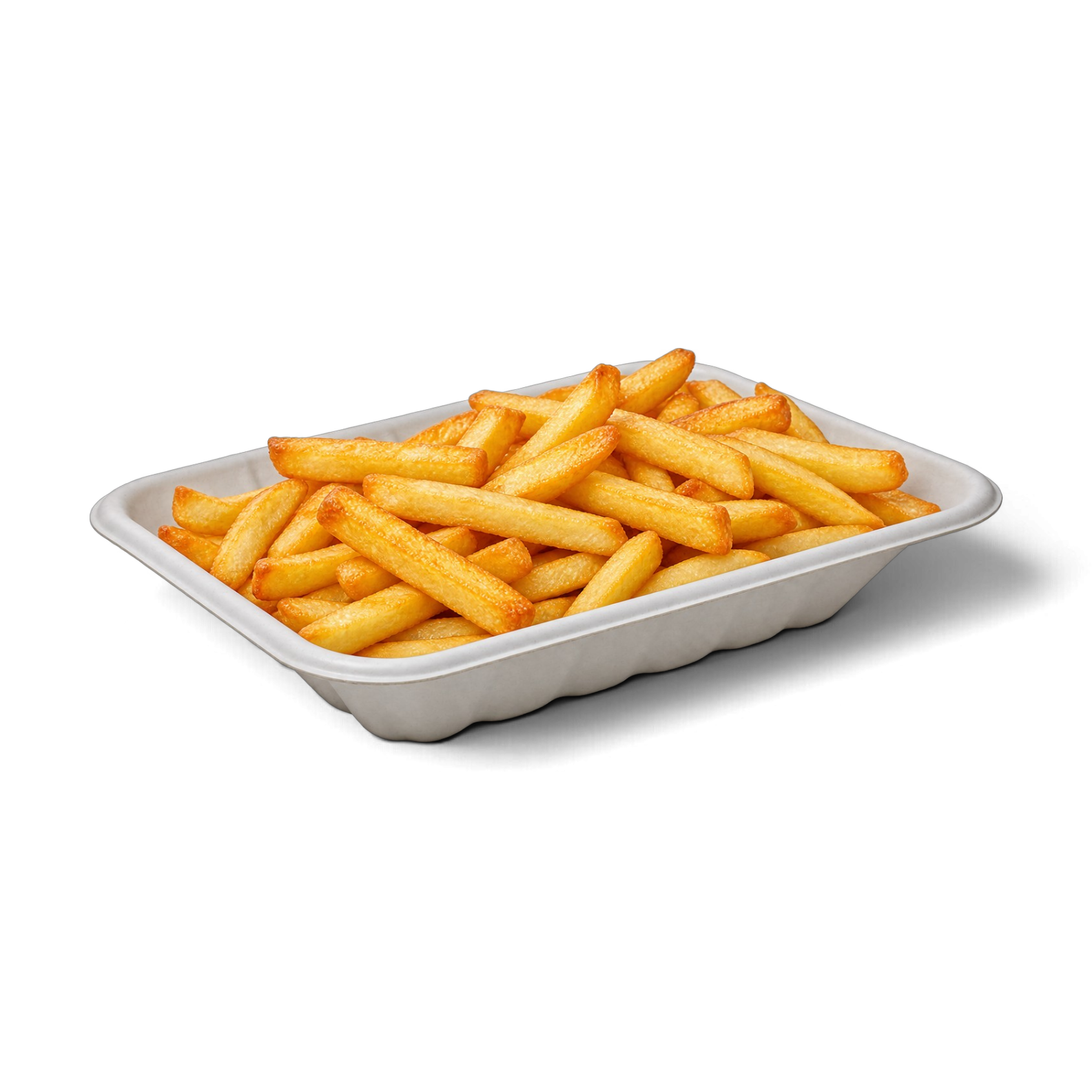
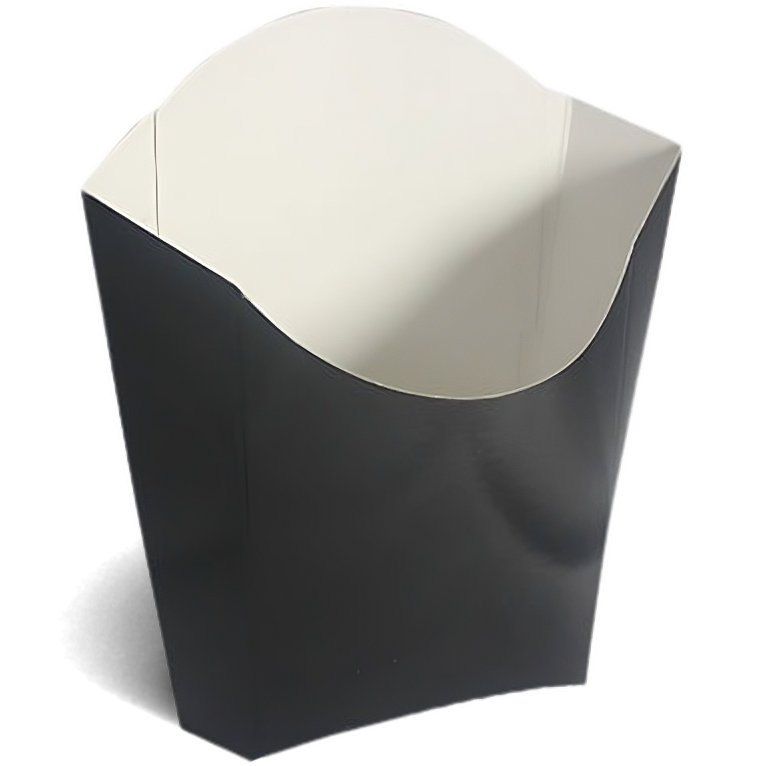
Chips and fried chicken Vented cardboard food box Steam release and grease resistance
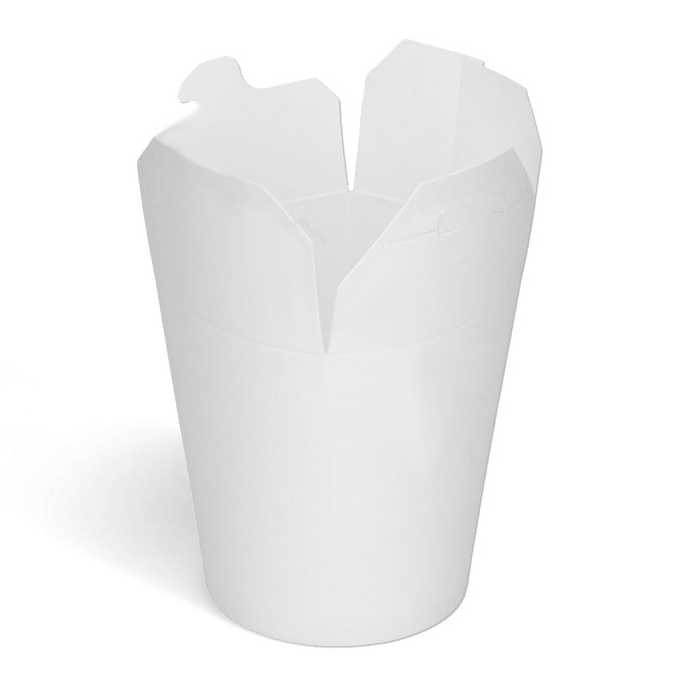
Rice and noodles PP container, kraft food box or noodle pail Secure closure
Pizza Corrugated pizza box Strength and ventilation
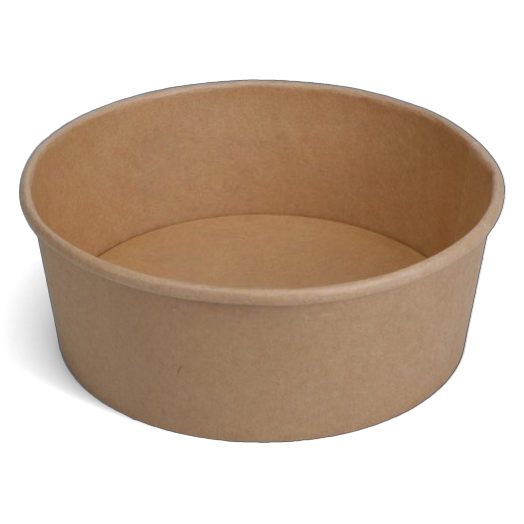
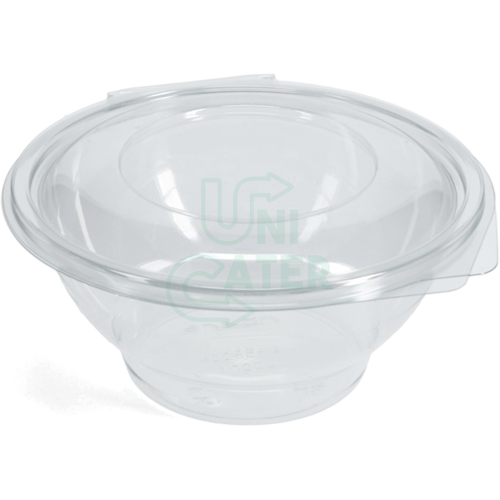
Salads and cold dishes Kraft or clear salad bowl with matching lid Presentation and lid fit
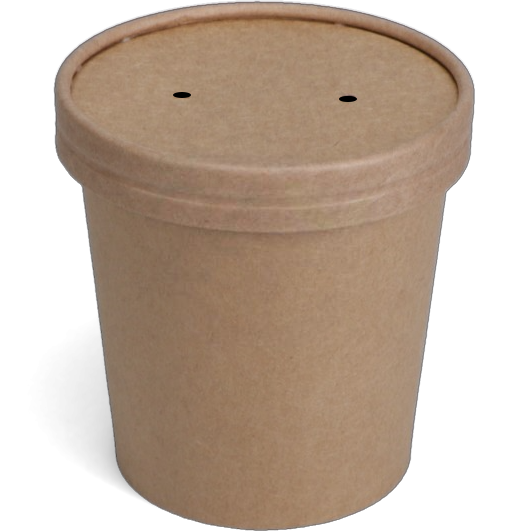
Soup Purpose-made soup container and lid Heat resistance and closure
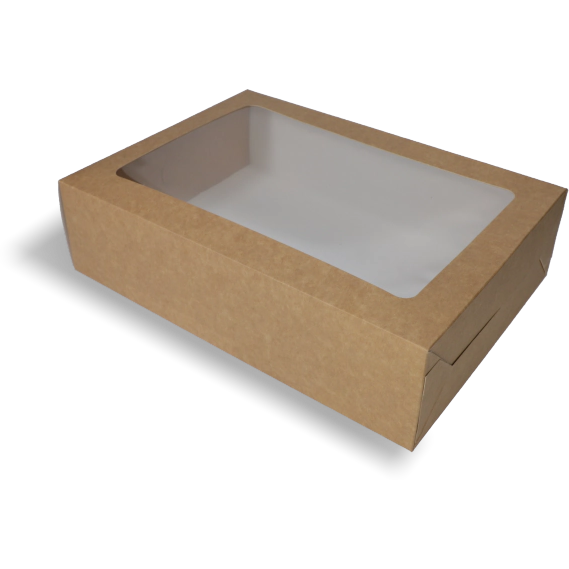
Cakes and desserts Dessert box or clear-lid container Protection and visibility
Best takeaway containers for curries and saucy dishes
Curries, pasta sauces, gravies and oily dishes need a container that remains secure when it is stacked and carried in a delivery bag. A well-fitting lid and a strong rim are normally more important than appearance alone.
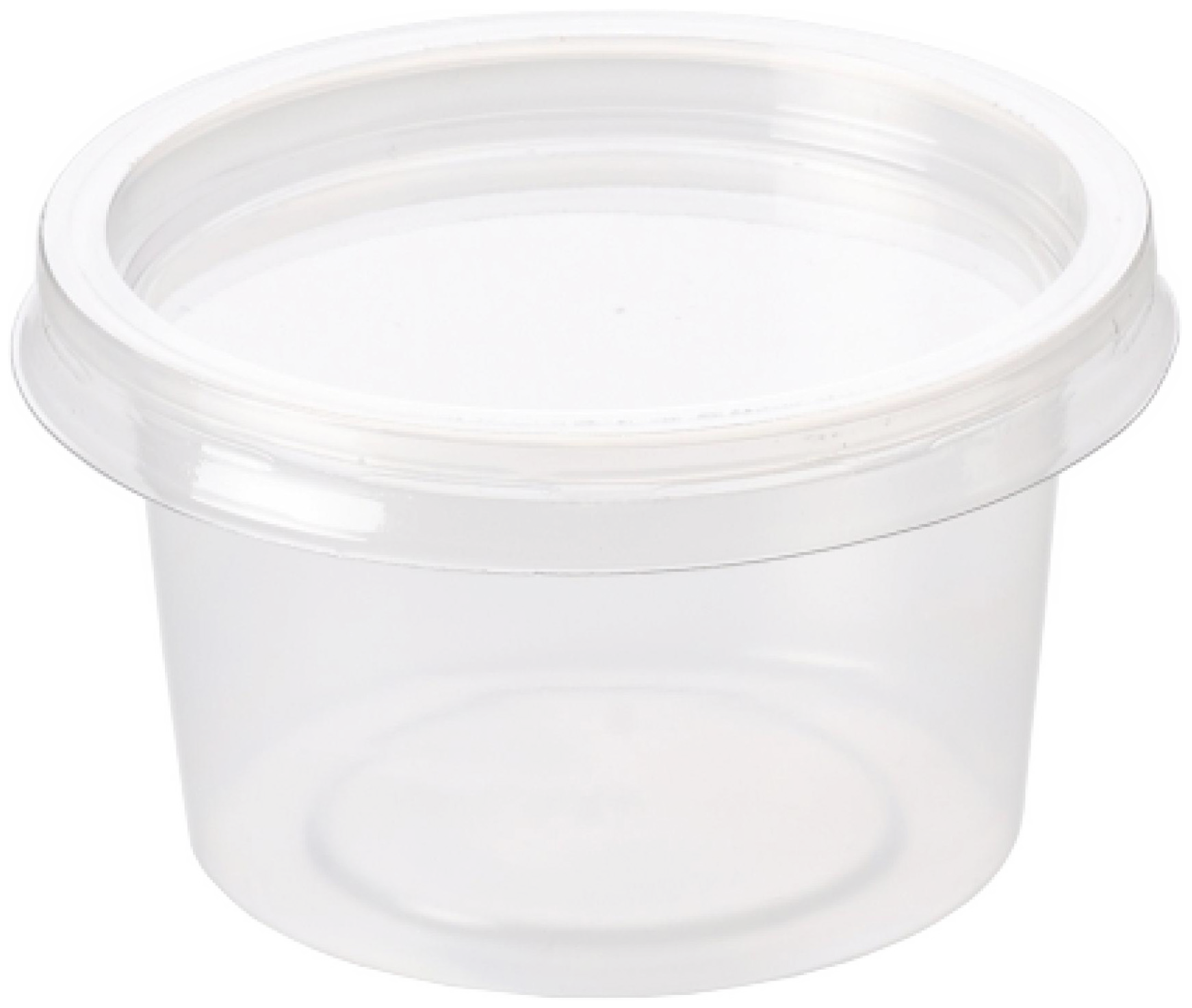
Polypropylene food containers are a practical option for many wet foods because they are lightweight and can provide a dependable lid fit. Some PP containers are suitable for reheating, freezing or both, but this varies by product. Check the manufacturer’s temperature and usage instructions rather than assuming every plastic container is microwave- or freezer-safe.
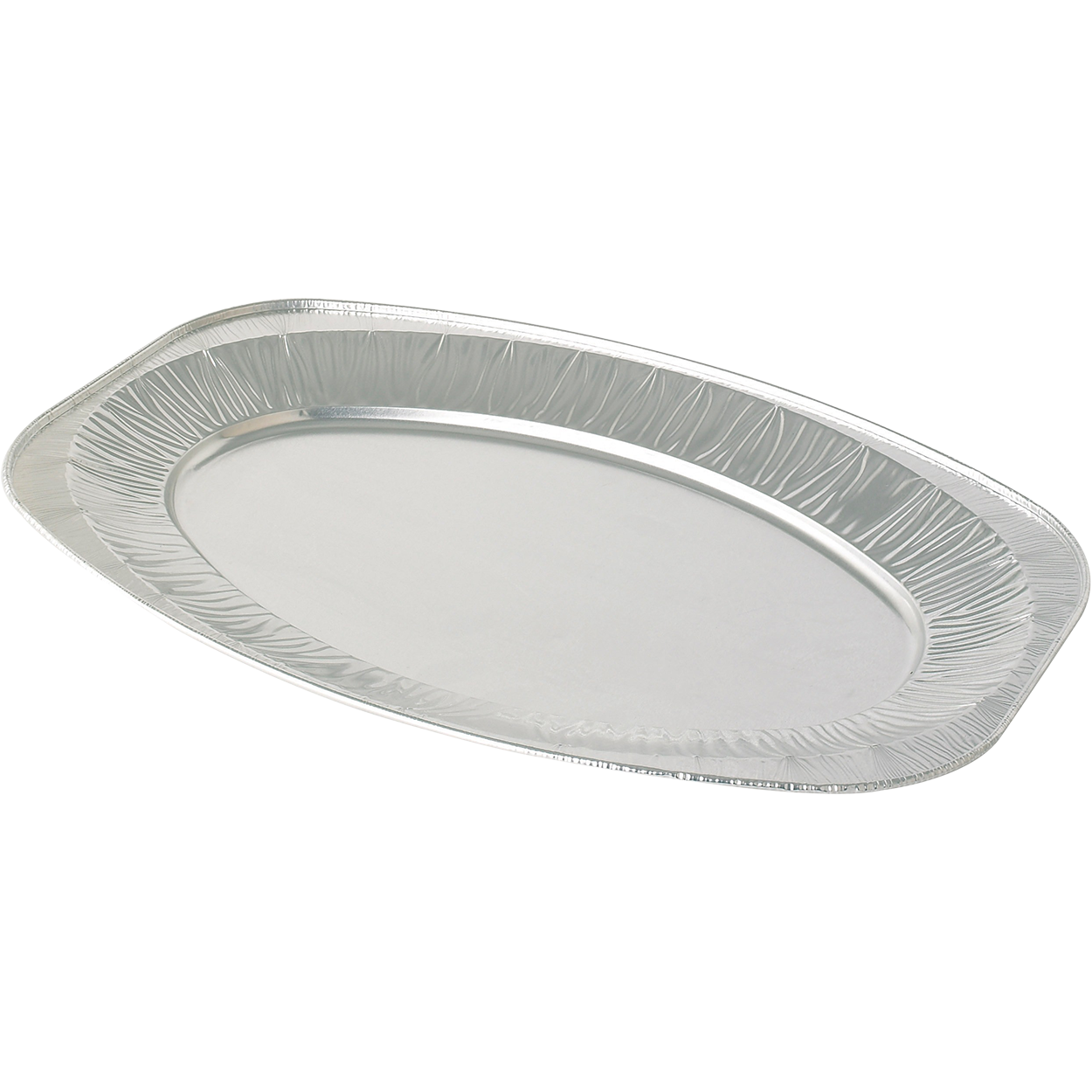
Foil containers are another established choice for hot meals, curries, rice and baked dishes. They retain their shape well and are useful when food may be finished or held in an oven. Aluminium must not be used in a microwave unless the appliance manufacturer and container instructions specifically confirm that it is safe.
Buying tip: fill a sample container with your largest normal portion, close it while the food is hot and carry it in the same position and delivery bag used by your drivers. Check the base, corners and lid after 20 to 30 minutes.
Best boxes for chips, fried chicken and other crispy food
Crispy food creates steam after it leaves the fryer. If that steam cannot escape, moisture settles on the food and the inside of the box. This is why the most tightly sealed container is not always the best container.
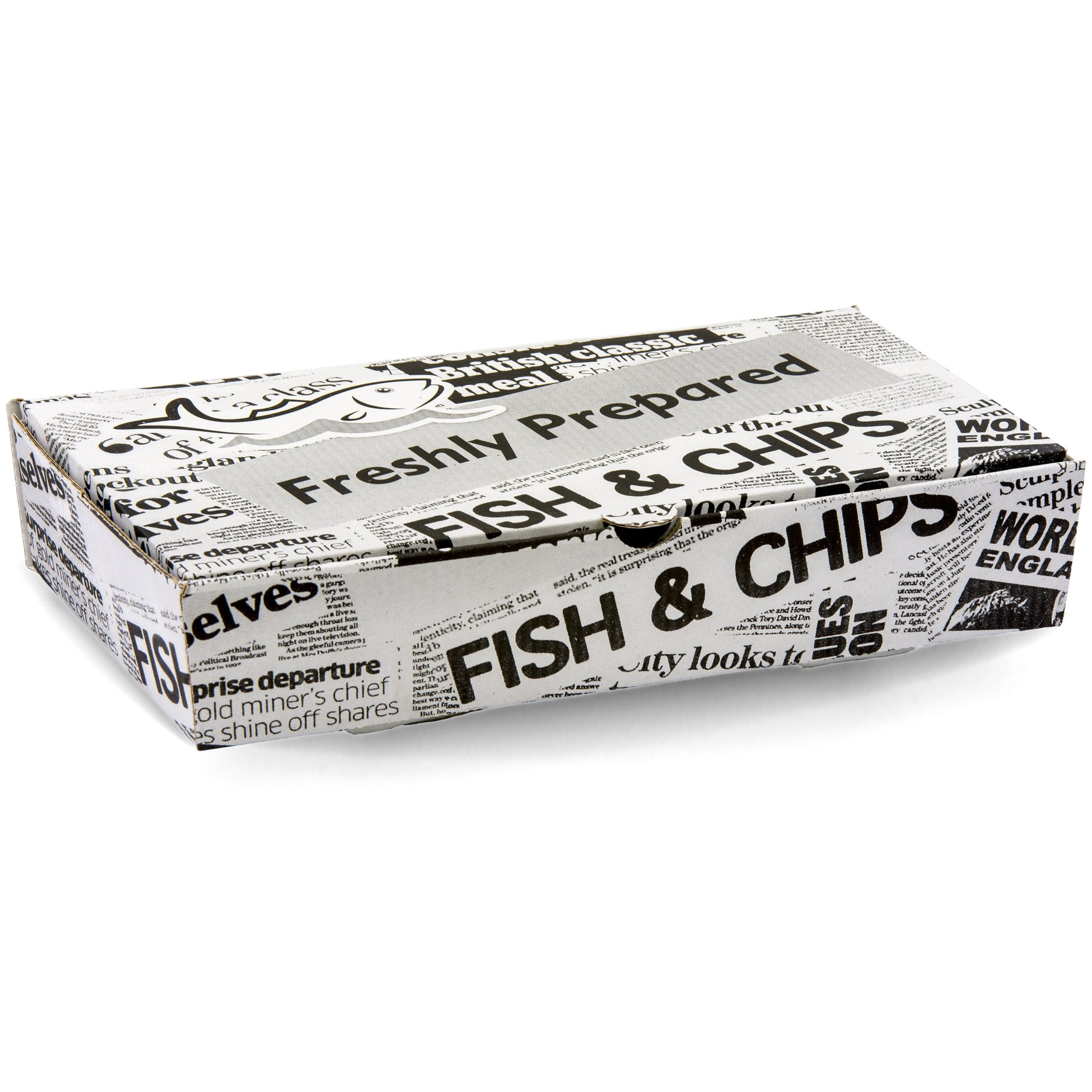
A vented cardboard food box allows some steam to leave while still providing protection during transport. Look for adequate space around the food, grease resistance and vents that are not blocked when boxes are stacked.
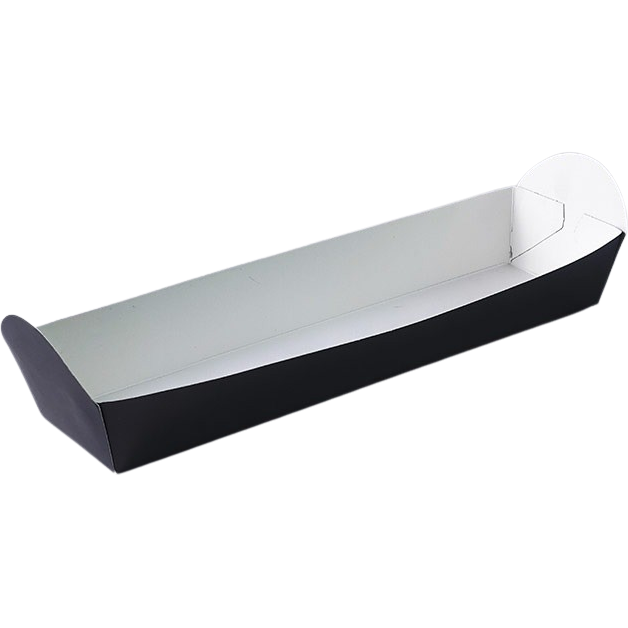
For fish and chips, a purpose-designed fish and chip box is usually a better starting point than a generic sealed tub. Avoid placing very wet accompaniments, such as mushy peas or curry sauce, inside the same compartment as the chips. Separate portion pots help protect texture and reduce spills.
Best burger boxes
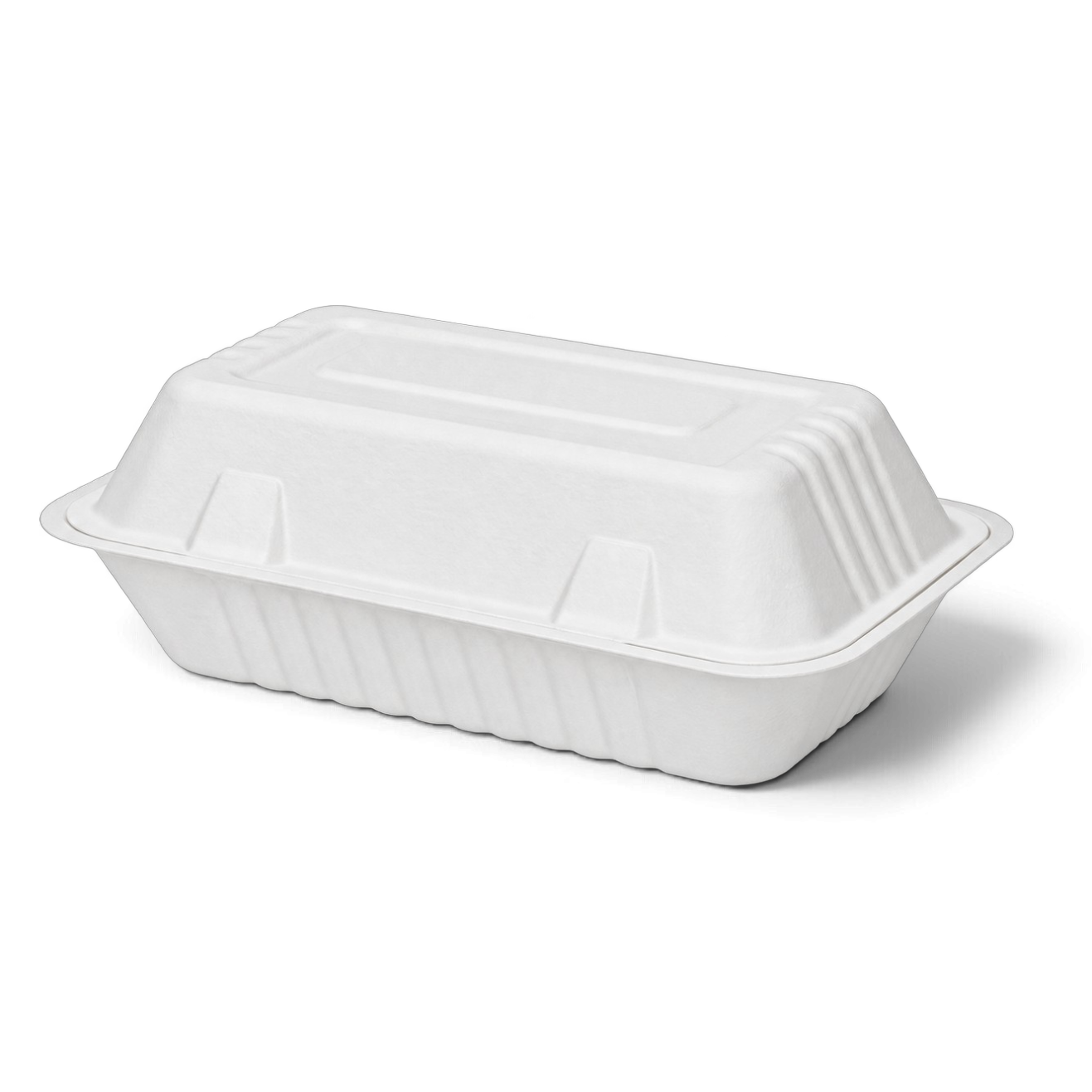
A burger box needs enough internal height to avoid pressing down the bun, but it should not be so large that the burger slides around. Kraft paperboard clamshells provide a familiar presentation and can offer useful ventilation. Moulded fibre or bagasse clamshells provide a firmer structure and can suit substantial burgers and hot meals.
Test the box with the complete burger, including tall toppings and sauces. Close it for the expected delivery time, then check whether the bun has become damp and whether sauce has reached the hinge or side tabs. If it has, the solution may be a different size, improved ventilation or a change in how the burger is assembled—not simply a thicker box.
Best containers for rice, noodles and mixed meals
Rice and noodle dishes vary from dry stir-fries to meals containing generous amounts of sauce. Drier dishes can work well in folding kraft boxes or noodle pail boxes. Wetter dishes often need a more secure PP container.
For mixed meals, compartment containers can help stop sauces from soaking into fried sides or salad. Check the usable capacity of each compartment—not only the overall dimensions—because a container that looks large enough may not suit your normal protein, rice and side portions.
Best takeaway packaging for pizza
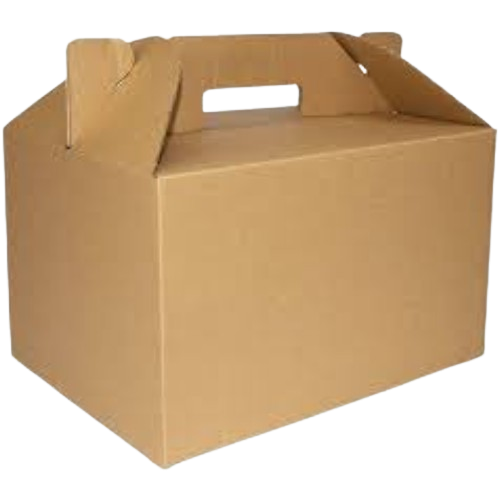
Corrugated pizza boxes combine structural strength, stackability and controlled ventilation. Choose the box using the finished pizza diameter and allow enough clearance to avoid damaging the crust.
When testing, stack several filled boxes as they would be carried during a busy service. Check that the lower boxes do not bow, the lid does not touch the toppings and the vents remain open. A box that performs well with one pizza may behave differently at the bottom of a delivery stack.
Best containers for salads, sandwiches and desserts
Cold food packaging needs to protect freshness while presenting the product clearly. Salad bowls with clear lids allow customers to see the ingredients and help keep toppings in place. Keep dressings in separate portion pots when the salad may be stored or delivered for any length of time.
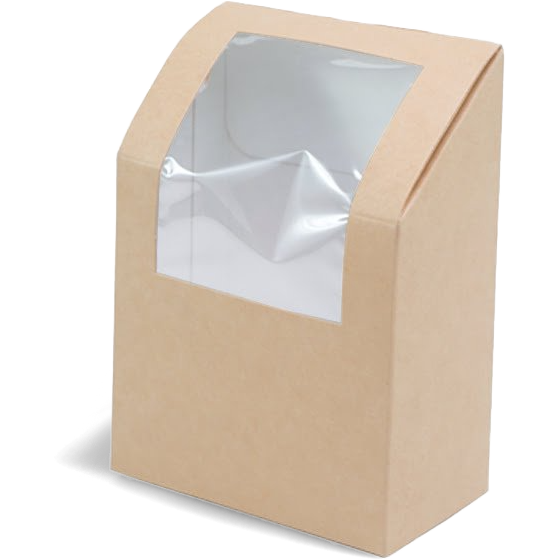
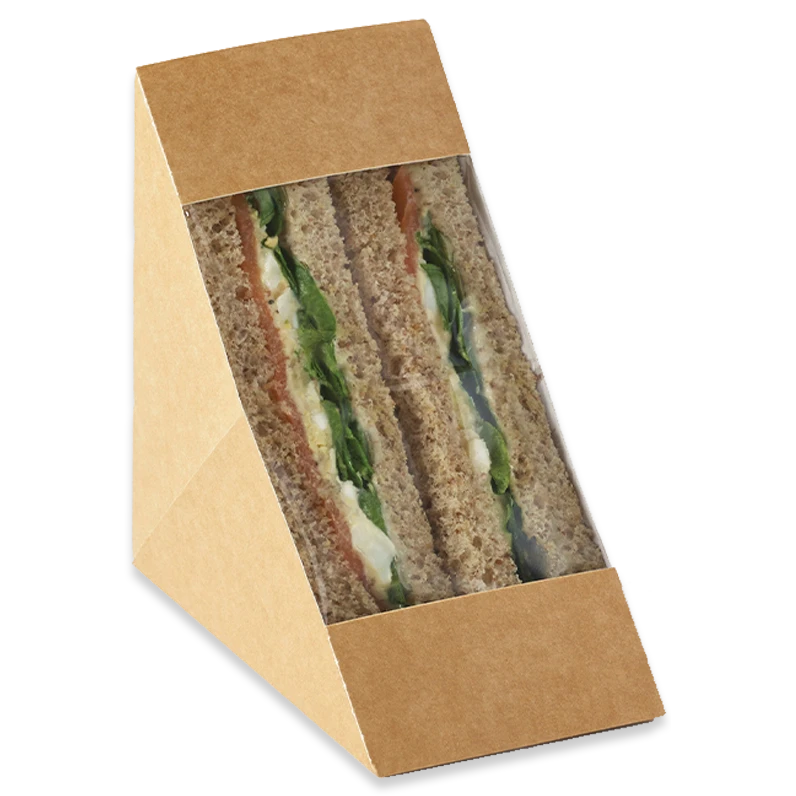
Sandwich wedges and paperboard sandwich packs protect cut sandwiches and can provide a useful viewing window. For cakes and pastries, select a dessert container with enough height for icing and decorations. Visibility matters, but the lid must not touch delicate toppings.
How takeaway-box materials compare
Kraft paperboard
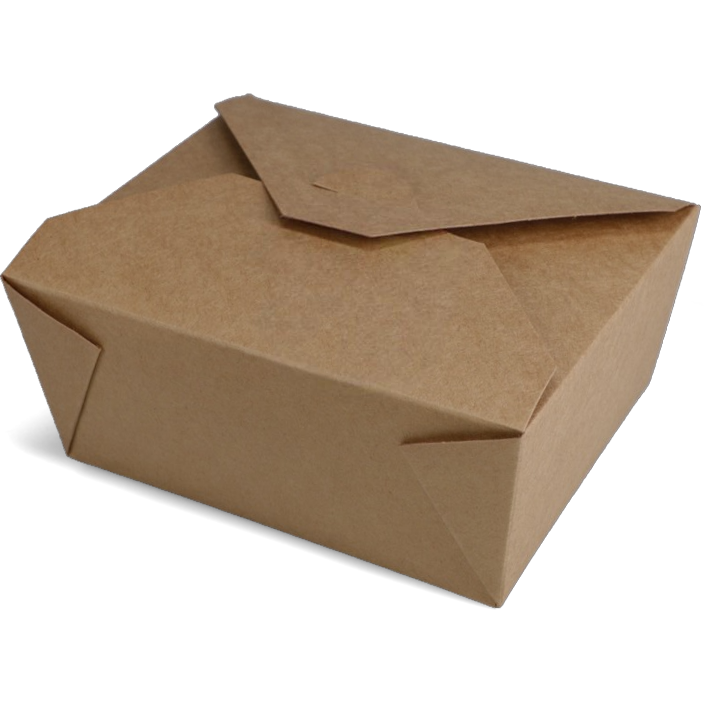
Kraft food boxes provide a natural presentation, are easy to stack and suit many burgers, chips, noodles, bakery items and relatively dry meals. Performance varies with the board construction and any grease- or moisture-resistant lining. A paper appearance does not automatically mean a used container can be recycled; food contamination, coatings and local collection rules all matter.
Bagasse and moulded fibre
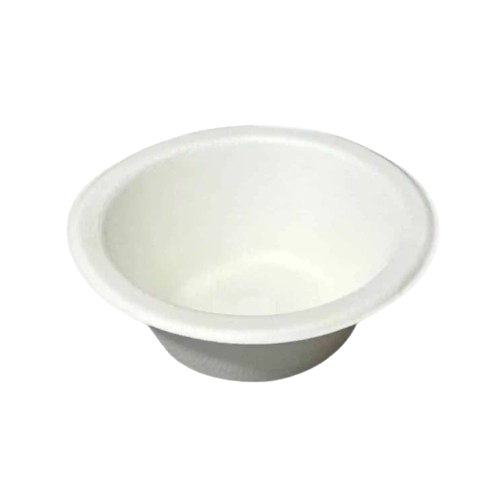
Bagasse is a moulded fibre material made using residue from sugarcane processing. It is commonly used for clamshell boxes, bowls and trays and can perform well with hot or cold meals. Claims such as “compostable” should be supported by the certification for the specific product, and suitable collection and processing facilities must be available for the claimed end-of-life route.
You can compare options in our bagasse box range.
Polypropylene (PP)
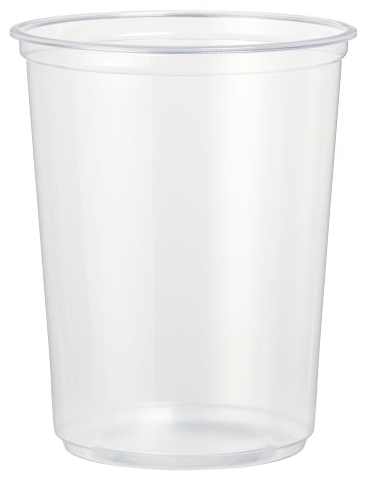
PP containers are popular for wet, oily and saucy dishes because they can provide strong leak resistance and secure lids. Clear or translucent lids also make order checking easier. Temperature tolerance and microwave or freezer suitability differ between products, so always follow the individual specification.
Aluminium foil
Foil containers hold their shape, suit hot meals and can work well for curries, rice, pasta bakes and catering portions. They are not suitable for standard microwave use. Check whether the board lid, foil lid or separate closure required for the chosen container is included in the case.
rPET and clear cold-food packaging
Clear rPET packaging is useful for salads, fruit, desserts and other chilled foods where presentation is important. It is generally intended for cold use and should not be used for hot food or reheating unless the product specification explicitly says otherwise.
How to choose the correct takeaway-box size
Do not choose a container using capacity alone. Two boxes with a similar stated volume can have different shapes and usable space. A wide, shallow container may present rice and curry well, while a deeper container may be better for soup or pasta.
1. Measure your normal finished portion. Test the meal exactly as it is served, including sides and garnish.
2. Allow sensible headroom. The lid should not squash food, but excessive empty space can allow the meal to move and lose heat faster.
3. Confirm the matching lid. Similar-looking lids can have different rim measurements and may not seal correctly.
4. Test your full service process. Fill, close, stack, carry and reopen the container after a realistic delivery period.
5. Check storage space. Consider case dimensions and how many different box and lid lines your premises can hold.
Reduce the risk before ordering full cases
Test the size, lid fit and food performance in your own kitchen first.
Explore sample kits
Five common takeaway-packaging mistakes
1. Choosing only by unit price. A small saving is quickly lost if containers leak, lids fail or food needs to be replaced.
2. Using a sealed box for crispy food. Trapped steam can soften chips, fried chicken and pastry.
3. Assuming all lids are interchangeable. Match the exact container range and rim size.
4. Buying several cases before testing. Packaging performance depends on your food, filling temperature and delivery time.
5. Making unsupported environmental claims. Check the product material, certification and realistic local disposal route.
UK rules and responsible claims
Single-use packaging rules are not identical across England, Scotland, Wales and Northern Ireland, and requirements can change. In England, restrictions cover specified single-use plastic items, with exemptions applying in some circumstances, including certain business-to-business supply and packaging filled at the point of sale. Expanded and extruded polystyrene food and drink containers also have specific restrictions.
Use the latest UK Government guidance on single-use plastics and check the rules for the nation in which your business operates. This article provides general packaging guidance and is not legal advice.
Frequently asked questions
What is the best takeaway container for curry?
A secure-lid PP container or a foil container with a correctly fitted lid is a good starting choice. Test it with the actual curry because oil content, temperature, portion weight and delivery time all affect performance.
How do I stop takeaway chips becoming soggy?
Use packaging that allows controlled steam release, avoid overfilling and keep wet sauces in separate pots. Test the chips after your average delivery time rather than immediately after packing.
Are takeaway boxes microwave-safe?
Only use a container in a microwave when its individual product specification confirms that it is suitable. Aluminium foil must not be placed in a standard microwave. Clear cold-food packaging is also generally unsuitable for reheating.
Are bagasse takeaway boxes compostable?
Some bagasse products are certified compostable under specified conditions. Check the certification for the exact item and whether an appropriate collection and processing route is available. Do not assume every moulded-fibre product has the same certification.
Should I buy takeaway boxes and lids separately?
It depends on the product range. Some cases include lids; others require a separate lid case. Confirm this before comparing case prices and make sure the product codes are compatible.
Where can UK food businesses buy takeaway boxes wholesale?
UniCater supplies food-packaging products for restaurants, takeaways, cafés, bakeries and catering businesses. Browse our takeaway containers and boxes, compare the relevant product specifications and test samples before committing to larger quantities.
Find packaging that works for your menu
Explore food boxes, foil containers, salad bowls, soup containers and other packaging selected for UK food businesses.
Shop takeaway containers