

Uni Cater packaging guide
Coffee Cup Sizes Explained: UK Café & Takeaway Guide

Choosing takeaway coffee cups sounds straightforward until you start comparing ounces, millilitres, rim diameters, lids and different wall types. Selecting the wrong combination can leave a café with lids that do not fit, drinks served in unsuitable sizes and valuable storage space filled with packaging that rarely gets used.
This practical guide explains the most common coffee cup sizes used by UK cafés, takeaways, bakeries, mobile coffee businesses and hospitality operators. It will help you match each cup to your drinks menu while avoiding common wholesale ordering mistakes.
Coffee Cup Sizes: The Quick Answer
The four most useful takeaway coffee cup sizes for many UK businesses are:
4oz: Espresso, double espresso, samples and small speciality drinks.
8oz: Flat whites, small lattes, small cappuccinos and children’s hot drinks.
12oz: Regular lattes, cappuccinos, americanos, teas and hot chocolate.
16oz: Large coffees, tea, hot chocolate and longer takeaway drinks.
However, cup capacity is only part of the decision. You must also check the rim diameter, matching lid range, wall construction and the amount of space required for milk, foam, ice or toppings.
Coffee Cup Size Chart
4oz — approximately 118ml
Best for: Espresso, double espresso, macchiato, coffee samples and small tasting portions.
A 4oz paper cup is compact and useful for businesses serving espresso-based drinks, product samples or small hot drinks. It normally requires a smaller lid than standard takeaway coffee cups, so check whether you genuinely need lids for this size before ordering them.
6oz — approximately 177ml
Best for: Cortado, small flat white, piccolo latte and speciality coffee.
A 6oz cup gives independent cafés greater control over coffee-to-milk ratios. It suits shorter speciality drinks but may not be necessary for businesses that want to keep their packaging range simple.
8oz — approximately 227ml
Best for: Flat white, small latte, cappuccino, americano and tea.
The 8oz cup is one of the most useful sizes for coffee shops and bakeries. It provides enough room for many popular drinks without making the serving feel oversized.
Some suppliers describe their 8oz cups using slightly different nominal millilitre capacities. Always compare the product dimensions and fill line rather than relying entirely on the converted millilitre figure.
10oz — approximately 284ml
Best for: Medium coffee, tea and hot chocolate.
A 10oz cup can sit between the traditional small and regular sizes. It works well for businesses that want a medium serving without moving directly from 8oz to 12oz.
Before introducing it, consider whether the additional size will increase lid requirements, stockholding and staff confusion.
12oz — approximately 341ml
Best for: Regular latte, cappuccino, americano, tea, mocha and hot chocolate.
The 12oz paper cup is a popular regular size for UK cafés and takeaway businesses. It is versatile enough to cover a large part of a standard drinks menu.
A 12oz cup also leaves room for milk, foam and toppings. However, not every 12oz cup uses the same lid. Check the rim diameter and product range before ordering lids.
16oz — approximately 454ml
Best for: Large latte, americano, tea, mocha and hot chocolate.
A 16oz cup is generally used as the large option on a takeaway drinks menu. It suits customers who want a longer drink, but it also uses more milk, syrups and other ingredients.
Businesses should calculate the complete serving cost rather than looking only at the price of the larger cup.
Which Coffee Cup Sizes Does a Café Actually Need?
Most cafés do not need every available cup size.
A simple menu might only require:
8oz for small drinks
12oz for regular drinks
16oz for large drinks
A speciality coffee shop might prefer:
4oz for espresso
6oz or 8oz for flat whites
12oz for larger milk-based drinks
A bakery, takeaway or convenience business with a self-service machine may only need:
8oz for small drinks
12oz for regular drinks
16oz for large drinks
Reducing the number of cup sizes can make ordering, storage and staff training easier. It may also allow two or more cup sizes to use the same lid, provided their rim diameters and product ranges are compatible.
The Biggest Ordering Mistake: Cup and Lid Compatibility
The ounce size does not determine whether a lid will fit.
Two cups can both be labelled 12oz while using different rim diameters. A lid designed for one cup series may feel loose, split the rim or fail to attach to another cup.
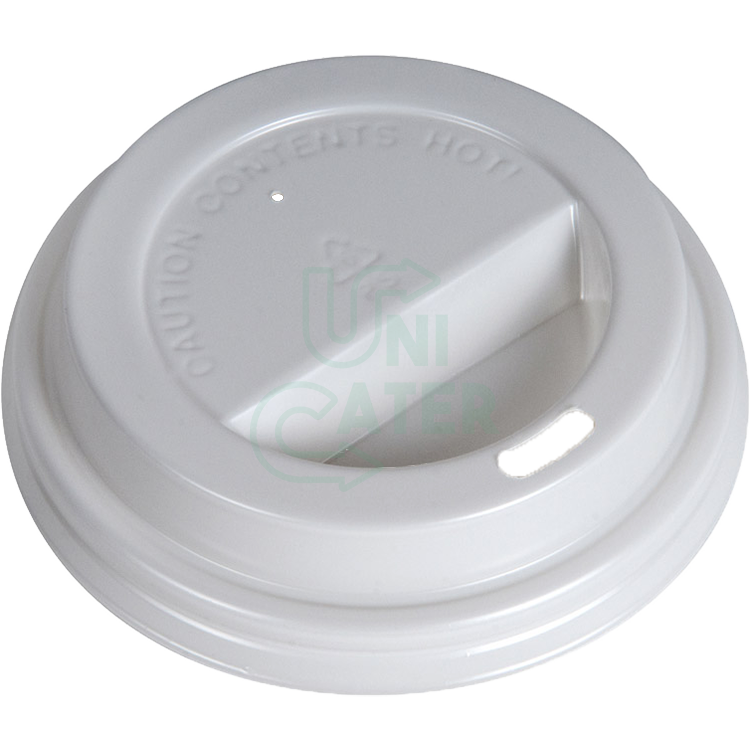
Before purchasing coffee cup lids, check:
The cup’s exact rim diameter
The manufacturer or product range
The compatible lid product code
Whether the lid is designed for hot or cold drinks
Whether the lid is sold separately
The quantity of lids in each case
Common rim diameters include approximately 80mm and 90mm, but these measurements are not universal. Some 8oz cups use a smaller rim, while certain 8oz, 12oz and 16oz ranges are designed around a shared lid system.
Never order lids using the ounce capacity alone.
If possible, purchase cups and lids from the same compatible range. Test several lids from the case before introducing the packaging during a busy service.
Single-Wall, Double-Wall or Ripple-Wall Cups?
After choosing the correct size, you need to select the cup construction.
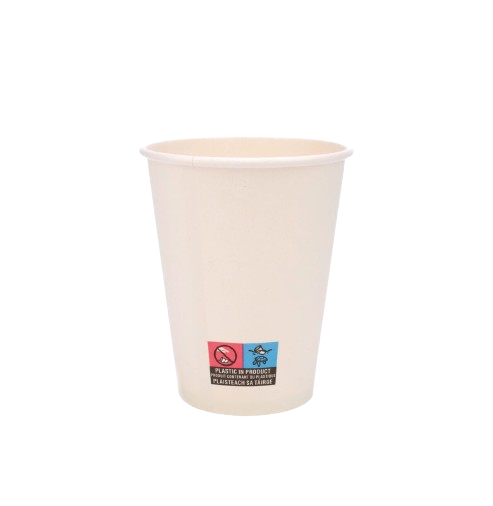
Single-Wall Coffee Cups
Single-wall cups use one main paperboard wall. They are usually the most economical choice for businesses serving a high volume of drinks.
They can suit warm drinks and short serving periods, but the outside may become uncomfortable when used with very hot drinks. A cardboard cup sleeve may be required depending on the drink temperature and cup specification.
Single-wall cups are suitable for:
High-volume takeaway operations
Workplace drinks machines
Events and catering
Businesses using cup sleeves
Cost-conscious serving
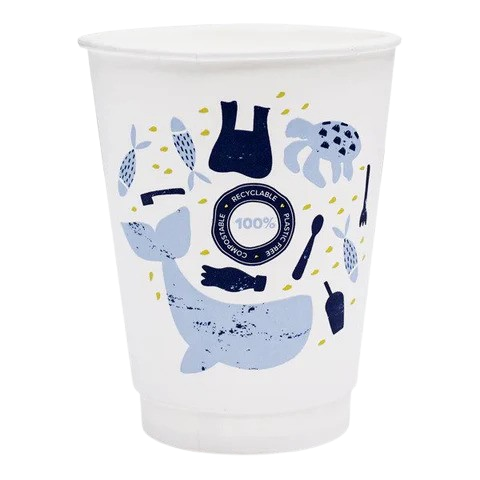
Double-Wall Coffee Cups
Double-wall cups use an additional outer layer that improves insulation and makes the cup more comfortable to hold.
They often remove the need for a separate sleeve and can provide a more premium appearance. Although the unit price may be higher, the total serving cost could be competitive once the cost and handling of sleeves are considered.
Double-wall cups are suitable for:
Coffee shops
Bakeries
Premium takeaway drinks
Hot americanos and teas
Businesses that want a comfortable cup without a sleeve
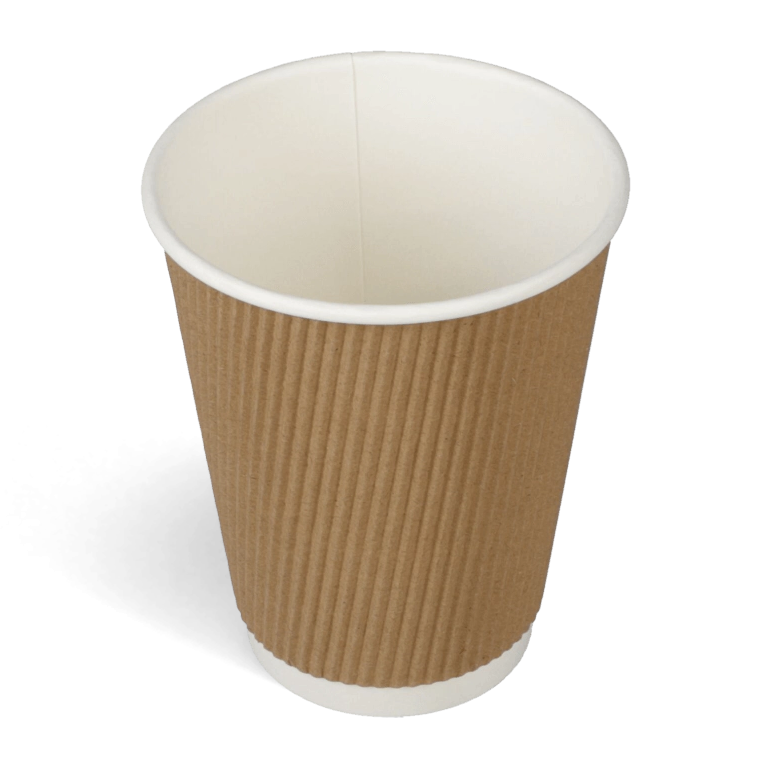
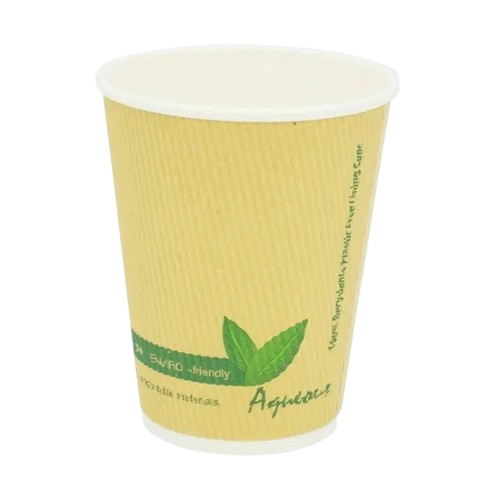
Ripple-Wall Coffee Cups
Ripple-wall cups have a textured outer layer that provides additional grip and insulation. The distinctive surface also creates a strong visual appearance.
They are useful for very hot drinks and customers carrying cups outdoors. However, ripple cups require more storage space than many single-wall alternatives.
Ripple-wall cups are suitable for:
Outdoor events
Mobile coffee vans
Winter drinks
Hot tea and americano
Businesses wanting a distinctive textured cup
Should You Use Cup Sleeves?
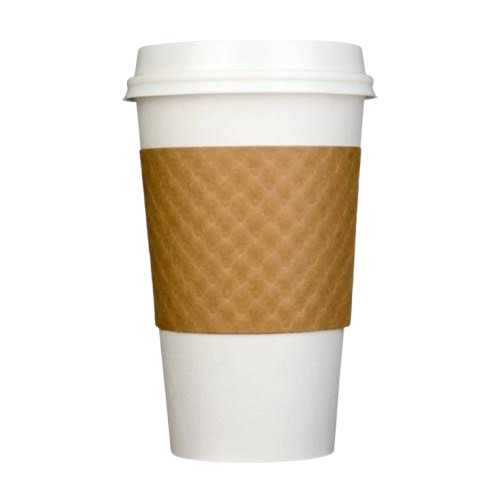
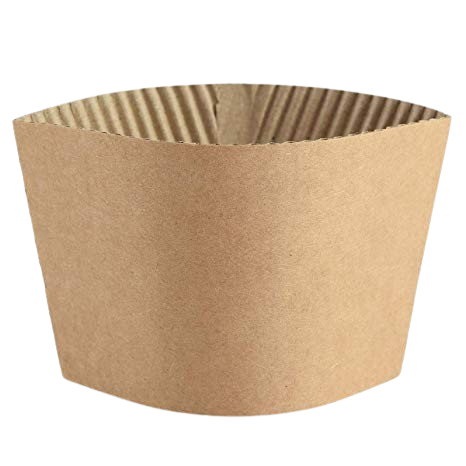
Cup sleeves provide additional protection around single-wall cups and can be added only when required.
Using one single-wall cup with an optional sleeve can sometimes be more flexible than stocking separate cup types. Sleeves also offer an opportunity for custom branding.
However, you must include the sleeve when calculating the complete cost of serving a drink. A single-wall cup and sleeve may cost as much as, or more than, a double-wall cup.
Test the finished combination with your hottest normal drink before making a decision.
How Cup Size Affects Drink Cost
Larger takeaway cups increase more than packaging costs.
A larger drink may require:
More coffee
More milk
Additional syrup
More chocolate powder
Extra toppings
A larger lid
A stronger cup carrier
More preparation time
Calculate the complete recipe cost for every drink size. If the selling-price difference between regular and large drinks is too small, the larger drink may reduce your profit margin.
Cup sizing should be connected to your menu pricing rather than treated as a packaging decision alone.
Hot Cups and Cold Cups Are Not Always Interchangeable
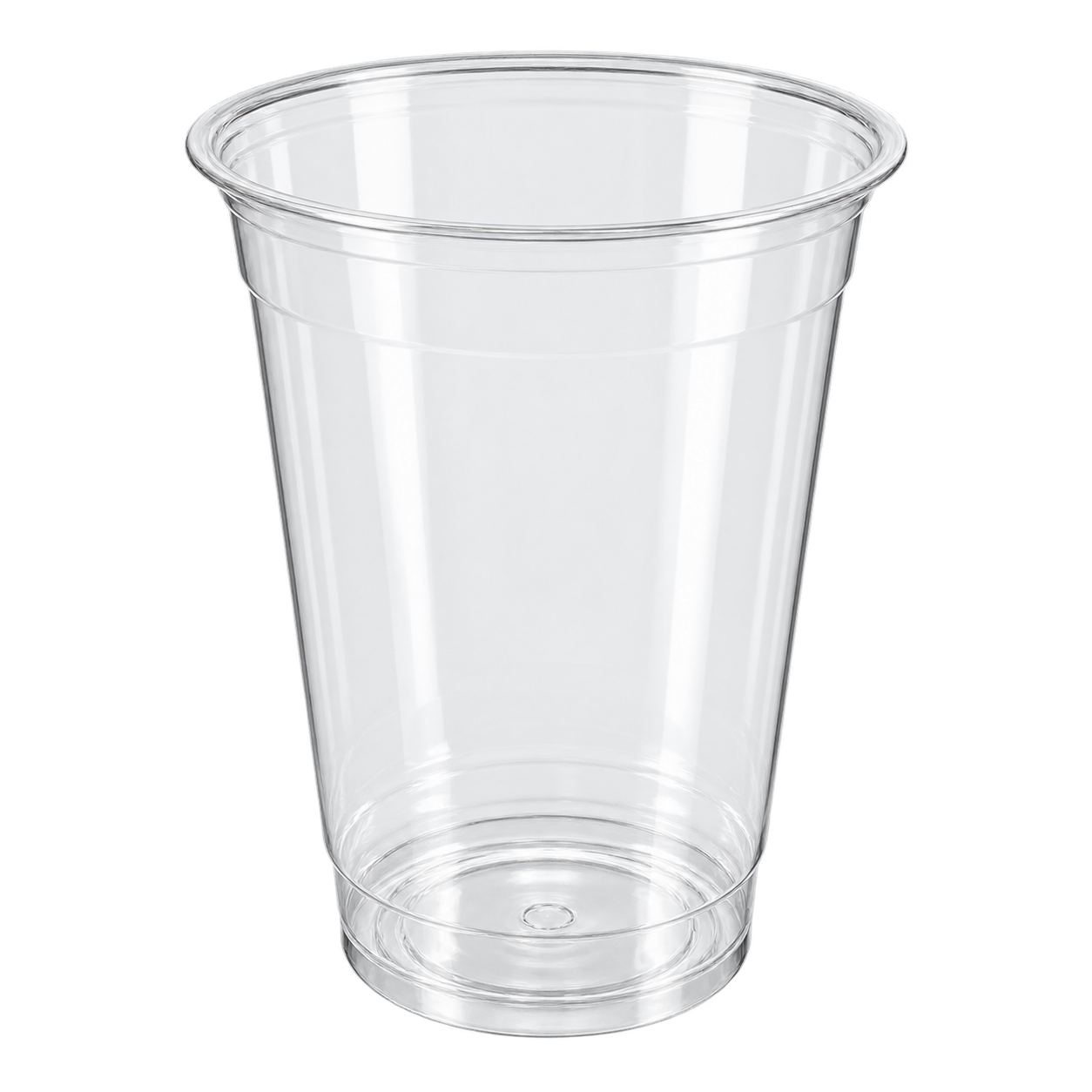
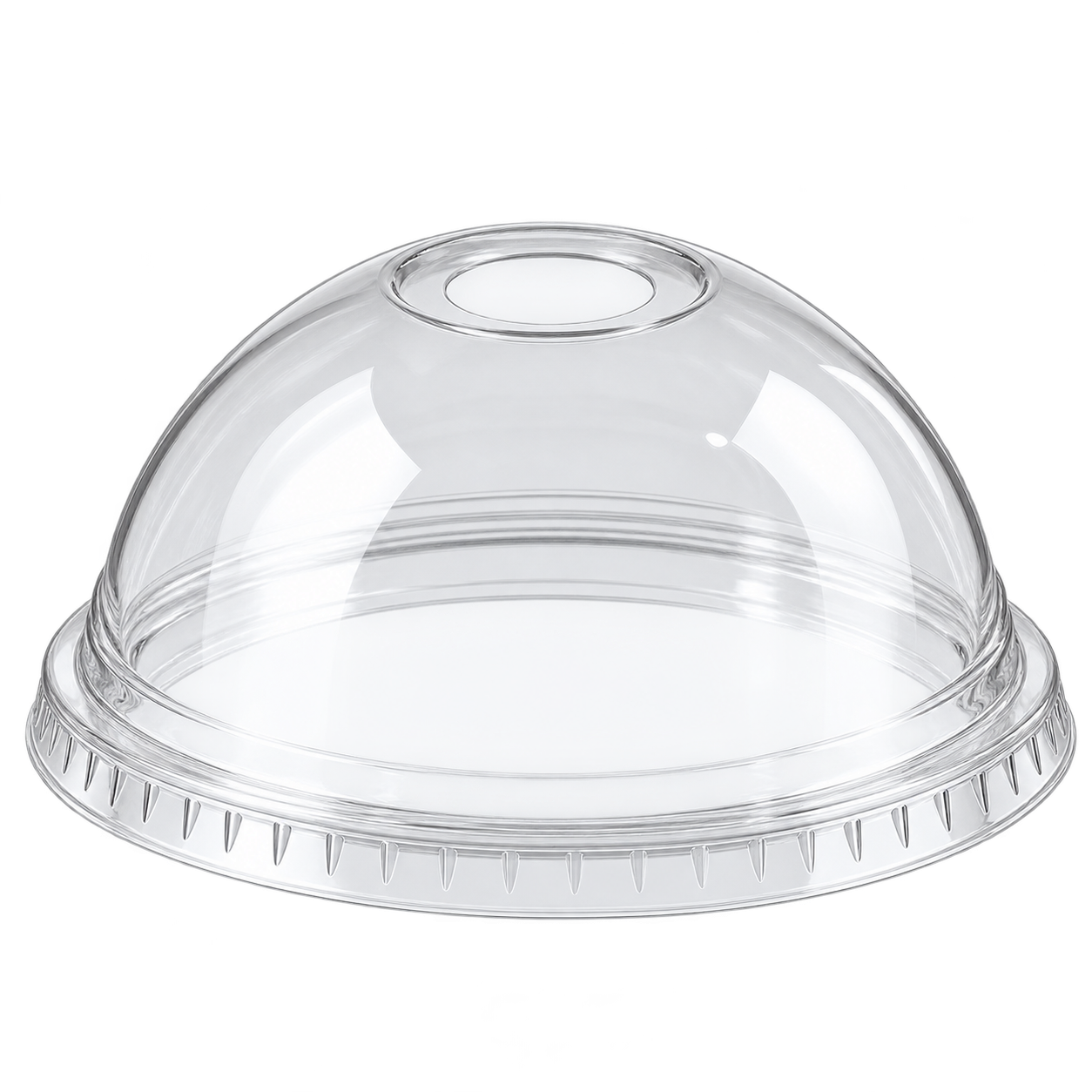
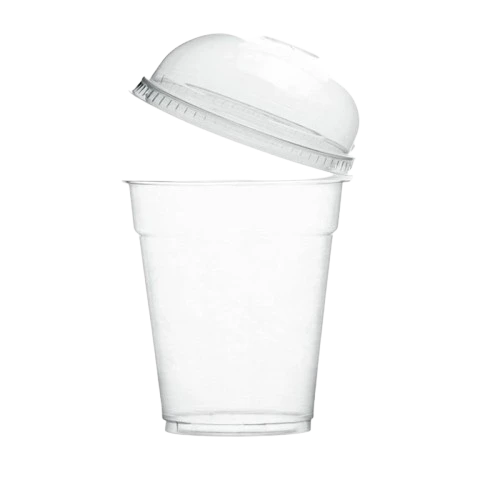
A paper cup designed for hot coffee should not automatically be used for every cold drink. Iced drinks, smoothies and milkshakes may require clear cups, domed lids, wider straws or additional capacity for ice and toppings.
A 12oz cold drink containing ice does not provide the same usable drink volume as a 12oz hot coffee. Ice occupies a significant portion of the cup.
If your business serves hot and cold drinks, build the two packaging systems separately:
Hot-drink cups and sip-through lids
Cold-drink cups with flat or domed lids
Milkshake and smoothie cups
Straws suitable for the selected lid opening
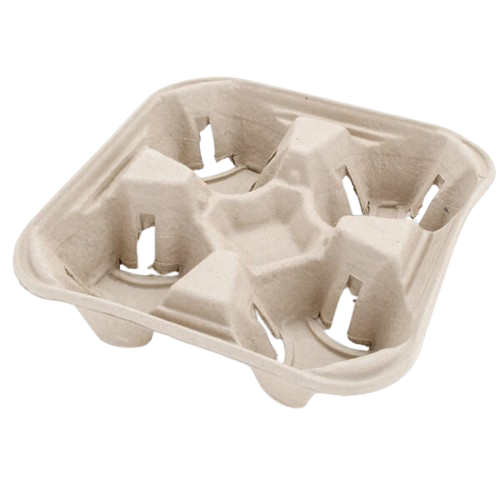
Cup carriers for takeaway orders
How Many Cups Should You Order?
Start with your expected weekly drink sales.
For example, if you expect to sell 500 takeaway drinks each week, estimate the percentage sold in each size. Add a sensible buffer for busy periods, damaged cups and supplier lead times.
Avoid dividing sales equally between every size unless your actual menu data supports it. Regular sizes often sell faster than espresso or extra-large cups.
For an existing business, use till or EPOS sales information. For a new café, begin with manageable quantities and monitor usage during the first few weeks.
Remember to check:
Cups per sleeve
Sleeves per case
Lids per case
Whether cup and lid case quantities match
Available storage space
Supplier lead time
Minimum order quantities for printed cups
Plain Cups or Custom-Printed Coffee Cups?
Plain kraft or white cups are practical for businesses that need flexible stock and lower purchasing quantities.
Custom-printed cups can turn every takeaway drink into visible advertising. They work particularly well for cafés, bakeries and coffee shops with a strong local identity.
Before ordering printed cups, confirm:
Minimum order quantity
Artwork requirements
Number of print colours
Production lead time
Cup sizes included
Matching lid availability
Storage space
Expected monthly usage
Businesses with lower cup volumes can also consider branded sleeves or stickers before committing to a large printed-cup order.
Can Paper Coffee Cups Be Recycled?
Paper coffee cups normally contain a barrier lining that prevents liquid from soaking through the paper. This construction means they may require specialist processing and are not usually accepted through ordinary household paper recycling collections.
Dedicated cup-recycling schemes and collection points are available in some parts of the UK. Businesses should check their local waste contractor and avoid telling customers to place cups in general paper recycling unless that collection system specifically accepts them.
Terms such as recyclable, compostable and biodegradable should only be used when they accurately describe the specific cup and a realistic disposal route is available.
Seven Common Coffee Cup Buying Mistakes
-
Ordering lids using only the ounce size.
Always confirm the rim diameter and compatible product code.
-
Stocking too many cup sizes.
Every additional size creates more stock, storage and potential staff confusion.
-
Ignoring the complete serving cost.
Include the cup, lid, sleeve, ingredients, carrier and wastage.
-
Assuming every paper cup is recycled in the same way.
Check the exact material and local collection arrangements.
-
Buying full cases without testing samples.
Test fit, comfort, strength and drink temperature first.
-
Using hot cups for every cold drink.
Cold drinks may need extra capacity for ice and different lid options.
-
Ordering custom-printed cups without checking usage.
Make sure the minimum quantity can be used within a practical period.
Coffee Cup Buying Checklist
Before placing a wholesale order, confirm:
Which drinks will use each cup size?
What is the nominal capacity in ounces and millilitres?
What is the cup’s rim diameter?
Which exact lid product fits it?
Is the lid included or ordered separately?
Do the cup and lid case quantities match?
Do you need single-wall, double-wall or ripple-wall construction?
Will any drink require a sleeve?
How many cases can you store?
Have you tested samples with real drinks?
Frequently Asked Questions
What are the most common takeaway coffee cup sizes in the UK?
The most frequently used sizes are generally 8oz, 12oz and 16oz. Some businesses also use 4oz cups for espresso and 6oz cups for speciality coffee.
What size cup should be used for a flat white?
A flat white is commonly served in a 6oz or 8oz cup, depending on the café’s recipe and preferred coffee-to-milk ratio.
What size cup should be used for a latte?
An 8oz cup can suit a small latte, 12oz is commonly used for a regular latte and 16oz can be offered as a large size.
Do 8oz and 12oz coffee cups use the same lid?
Sometimes, but not always. Lid compatibility depends on rim diameter and the cup range—not only capacity.
Do 12oz and 16oz cups use the same lid?
Some ranges design 12oz and 16oz cups around the same rim diameter. Other ranges do not. Always confirm the matching product code.
Are double-wall cups better than single-wall cups?
Neither is automatically better. Single-wall cups can be more economical, especially when a sleeve is only added when needed. Double-wall cups provide additional insulation and may create a more premium experience.
Should a new café offer three coffee sizes?
Small, regular and large is a clear starting structure, but speciality cafés may prefer fewer sizes. Your recipes, customer demand, storage space and desired service speed should determine the final selection.
Can I print my café logo on paper cups?
Yes. Custom-printed coffee cups are available, although minimum quantities and production lead times normally apply. Branded sleeves can provide an alternative for businesses with lower volumes.
Choose Cups and Lids as One System
The best coffee cup is not simply the cheapest cup or the most attractive design. It is the cup that suits your drink recipe, works with a dependable lid, feels comfortable for the customer and can be stocked efficiently.
Choose your cup sizes first, reduce unnecessary variations and match every cup to its exact lid before ordering wholesale quantities.
Explore UniCater’s paper cups, single-wall cups, double-wall cups, ripple-wall cups, coffee cup lids and custom-branding options for UK cafés, takeaways and hospitality businesses.